
SLA 3D Printing Services: A Game Changer in Electronics Manufacturing
SLA 3D Printing Services: A Game Changer in Electronics Manufacturing Table of Contents 1. Introduction to SLA 3D Printing in Electronics 2. Understanding SLA 3D Printing Technology 3. Benefits of SLA 3D Printing Services 4. Applications of SLA 3D Printing in Electronics Manufacturing 5. Comparison with Other 3D Printing Methods 6. Cost Efficiency of SLA 3D Printing Services 7. Futu
Sep 03,2026
SLA 3D Printing Services: A Game Changer in Electronics Manufacturing
Table of Contents
- 1. Introduction to SLA 3D Printing in Electronics
- 2. Understanding SLA 3D Printing Technology
- 3. Benefits of SLA 3D Printing Services
- 4. Applications of SLA 3D Printing in Electronics Manufacturing
- 5. Comparison with Other 3D Printing Methods
- 6. Cost Efficiency of SLA 3D Printing Services
- 7. Future Trends in SLA 3D Printing
- 8. Frequently Asked Questions
- 9. Conclusion
1. Introduction to SLA 3D Printing in Electronics
Stereolithography (SLA) 3D printing is rapidly becoming a transformative technology in the realm of electronics manufacturing. This advanced form of additive manufacturing enables the creation of highly precise and intricate components that are essential for modern electronic devices. With its ability to produce high-resolution parts quickly, SLA 3D printing is reshaping how industries approach product development, prototyping, and production.
As the electronics sector continues to evolve, the demand for innovative, efficient, and cost-effective manufacturing methods is at an all-time high. SLA 3D printing services address these needs by offering a streamlined approach to component creation, reducing traditional manufacturing barriers and timeframes.
2. Understanding SLA 3D Printing Technology
SLA 3D printing employs a process known as photopolymerization, where UV light is used to cure liquid resin into solid layers. By selectively solidifying resin, SLA printers can create complex geometries and smooth surface finishes. This technology stands out for its precision and detail, making it a preferred choice for industries where accuracy is critical, such as electronics.
How SLA Works
The SLA process begins with a digital 3D model designed using CAD software. This model is sliced into thin layers by specialized software, which instructs the printer on how to build the object layer by layer. As the resin is cured by UV light, each layer bonds to the previous one, resulting in a complete part that is strong and versatile.
Materials Used in SLA 3D Printing
SLA 3D printing utilizes a variety of photopolymer resins tailored for specific applications. These materials can provide unique properties such as rigidity, flexibility, heat resistance, and even biocompatibility. This versatility allows manufacturers to choose the most suitable resin for their particular electronic components.
3. Benefits of SLA 3D Printing Services
The advantages of SLA 3D printing services in electronics manufacturing are numerous and impactful:
Precision and Detail
SLA technology is renowned for producing parts with exceptional accuracy. The fine resolution provided by SLA printers enables the creation of intricate designs that traditional manufacturing methods may struggle to replicate.
Rapid Prototyping
SLA 3D printing significantly reduces the time required for prototyping. Engineers and designers can quickly generate functional prototypes, allowing for faster iteration and refinement of product designs.
Cost-Effective Production
By minimizing material waste and streamlining the manufacturing process, SLA 3D printing can lead to lower production costs. This is especially beneficial for small batch runs or customized components.
Design Freedom
SLA technology allows for complex designs and features that can enhance the functionality and aesthetics of electronic components. This design freedom enables innovation in product engineering and development.
4. Applications of SLA 3D Printing in Electronics Manufacturing
SLA 3D printing services find applications across a wide range of areas in electronics manufacturing:
Custom Enclosures and Housings
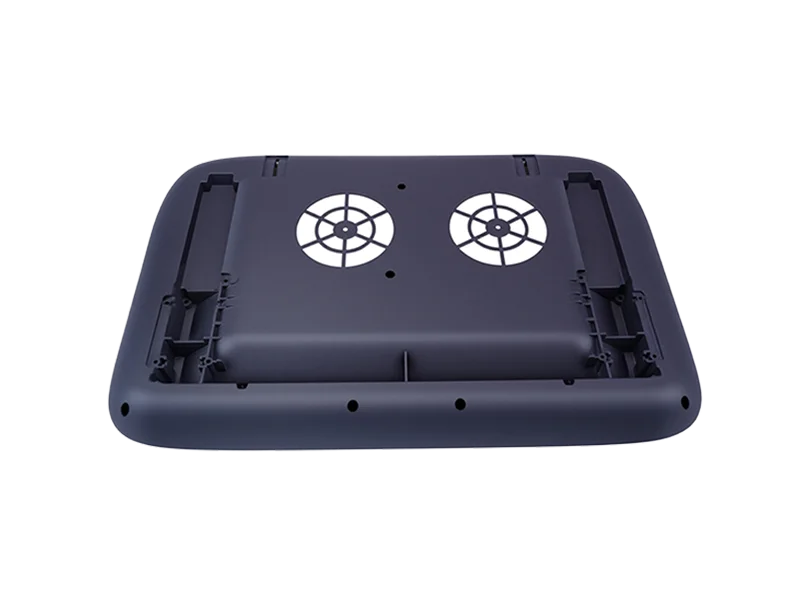
Manufacturers can create custom enclosures for electronic devices that fit specific dimensions and aesthetic requirements. SLA's high resolution ensures that these enclosures not only look good but also function effectively.
Functional Prototypes
Before moving to mass production, companies can use SLA printing to produce functional prototypes that test form, fit, and function. This helps identify potential issues early in the development process.
Complex Components
SLA technology is particularly useful for producing intricate electronic components, such as connectors, brackets, and supports. Its ability to create detailed geometries makes it an ideal choice for complex assemblies.
Medical Electronics
In the medical electronics field, SLA printing is used to manufacture specialized equipment, custom fittings, and personalized devices for patient care, ensuring compatibility and comfort.
5. Comparison with Other 3D Printing Methods
While SLA 3D printing offers various benefits, it's essential to compare it with other additive manufacturing methods:
FDM vs. SLA
Fused Deposition Modeling (FDM) is another popular 3D printing method. While FDM is cost-effective and suitable for larger parts, it often lacks the precision and surface finish that SLA provides. For high-detail projects, SLA is typically the better choice.
SLS vs. SLA
Selective Laser Sintering (SLS) uses powdered materials rather than liquid resin. This method is effective for creating durable parts but may not achieve the same level of detail as SLA. SLA is preferred when producing visually appealing components with intricate designs.
6. Cost Efficiency of SLA 3D Printing Services
Considering the overall costs associated with manufacturing, SLA 3D printing offers a competitive edge. By reducing the time from design to production and minimizing material waste, companies can achieve significant savings.
Lower Material Costs
SLA's method of using photopolymer resin means less material is wasted compared to traditional subtractive manufacturing. The ability to create complex shapes also eliminates the need for additional components, further reducing costs.
Shorter Lead Times
Faster production cycles lead to shorter lead times, which can be crucial in today's fast-paced electronics market. Companies can respond quickly to market demands, increasing their competitive advantage.
7. Future Trends in SLA 3D Printing
As technology continues to evolve, the future of SLA 3D printing looks promising:
Advancements in Materials
New materials are continually being developed, offering better performance characteristics for electronic applications. Innovations in resin technology may lead to even more versatile and durable components.
Integration with IoT
The Internet of Things (IoT) is paving the way for smart electronics. SLA 3D printing will play a crucial role in developing IoT devices, allowing for the rapid production of customized components that meet specific requirements.
Increased Automation
Automating the SLA printing process will enhance efficiency and production capabilities, enabling manufacturers to scale their operations while maintaining high-quality output.
8. Frequently Asked Questions
What is SLA 3D printing?
SLA 3D printing is an additive manufacturing technology that uses UV light to cure liquid resin into solid layers, creating detailed and precise parts.
What are the advantages of using SLA in electronics manufacturing?
SLA offers high precision, rapid prototyping, reduced production costs, and design freedom, making it ideal for creating complex electronic components.
What types of materials can be used in SLA 3D printing?
SLA printers use various photopolymer resins that can provide unique properties such as rigidity, flexibility, heat resistance, and biocompatibility.
How does SLA printing compare to FDM and SLS?
SLA provides superior detail and surface finish compared to FDM, while offering better aesthetics than SLS, making it a preferred choice for intricate designs.
Is SLA 3D printing cost-effective for small batch production?
Yes, SLA 3D printing is cost-effective for small batch production due to reduced material waste and faster lead times, allowing for efficient production runs.
9. Conclusion
SLA 3D printing services are undeniably a game changer in electronics manufacturing. With their ability to produce highly precise, detailed, and cost-effective components, they address the increasing demands of modern industries. As technology continues to advance, the potential applications and benefits of SLA will only expand, solidifying its place as a cornerstone of innovative manufacturing practices. Embracing SLA 3D printing not only enhances product development cycles but also opens new avenues for creativity and efficiency in electronics manufacturing.

NANJIDA
LEAVE US MESSAGES
We are here to assist you with your cooperation in the 24/7 day. are we ready to respond to you by following the information sent to you at the appropriate price. Thank you!
If you can not reply to a serious cause, please contact the E-mail below.
Contact Us
Address:Sijia Xihe Industrial Zone, Shijie Town, Dongguan City, Guangdong Province


Copyright © 2025 Dong Guan NanJiDa Industrial Co.,Ltd. Powered by www.300.cn | Tags | Urban substation