
How SLA 3D Printing Services Enhance Prototyping for Electronics
How SLA 3D Printing Services Enhance Prototyping for Electronics Table of Contents Introduction to SLA 3D Printing in Electronics What is SLA 3D Printing? Benefits of SLA 3D Printing for Electronics Prototyping Applications of SLA 3D Printing in Electronics SLA vs. Other Prototyping Methods Case Studies of Successful SLA Prototyping Future Trends in SLA 3D Printing for
Oct 05,2026
How SLA 3D Printing Services Enhance Prototyping for Electronics
Table of Contents
- Introduction to SLA 3D Printing in Electronics
- What is SLA 3D Printing?
- Benefits of SLA 3D Printing for Electronics Prototyping
- Applications of SLA 3D Printing in Electronics
- SLA vs. Other Prototyping Methods
- Case Studies of Successful SLA Prototyping
- Future Trends in SLA 3D Printing for Electronics
- Frequently Asked Questions
- Conclusion
Introduction to SLA 3D Printing in Electronics
Stereolithography Apparatus (SLA) 3D printing has transformed the landscape of product development, particularly in the electronics sector. This advanced manufacturing technology enables designers and engineers to create intricate prototypes with **impressive accuracy** and **speed**. By leveraging SLA 3D printing services, businesses can rapidly iterate designs, reduce time-to-market, and enhance product quality.
What is SLA 3D Printing?
SLA 3D printing is a process that utilizes a **laser** to cure liquid resin into solid plastic. The laser traces a specific pattern on the surface of the resin, solidifying it layer by layer until the desired object is fully formed. This additive manufacturing technique is renowned for its ability to produce high-resolution parts with smooth finishes, making it particularly suitable for complex designs in electronics.
Key Characteristics of SLA Technology
- High Precision: SLA printing achieves layer resolutions as fine as 25 microns, allowing for detailed and precise components.
- Material Versatility: A range of resin materials, including those with specific mechanical properties, can be utilized, catering to various electronic applications.
- Fast Production Speed: SLA printing can significantly shorten the prototyping phase, enabling quicker iterations and faster product launches.
Benefits of SLA 3D Printing for Electronics Prototyping
Employing SLA 3D printing in electronics prototyping offers a multitude of advantages that can greatly enhance the **design and production process**.
1. Accelerated Prototyping
SLA technology allows for the rapid creation of prototypes, significantly reducing the time required for product development. Traditional prototyping methods can take weeks or even months, while SLA can produce functional prototypes in just a matter of days.
2. Enhanced Design Flexibility
SLA printing enables designers to experiment with complex geometries that would be difficult or impossible to achieve through traditional manufacturing techniques. This flexibility fosters innovation and encourages creative design solutions.
3. Cost-Effectiveness
By reducing the lead time and material waste associated with prototyping, SLA 3D printing can lower overall costs. Companies can allocate resources more efficiently, ultimately enhancing their bottom line.
4. High-Quality Finish
The smooth surface finish of SLA-printed parts minimizes the need for extensive post-processing, resulting in a more polished product straight off the printer.
5. Functional Testing
SLA allows for the production of prototypes that can be functional for testing purposes, ensuring that engineers can evaluate the product's performance before moving into full-scale production.
Applications of SLA 3D Printing in Electronics
SLA 3D printing finds numerous applications within the electronics industry, streamlining various processes and enhancing product development.
1. Circuit Board Prototyping
Prototyping circuit boards with SLA technology allows designers to quickly create and test complex electronics layouts, enhancing design accuracy and functionality.
2. Enclosures and Housings
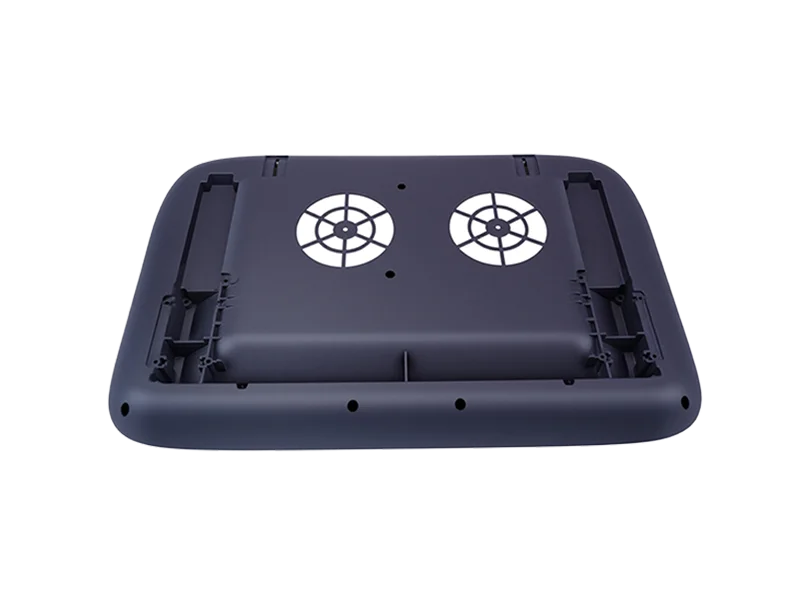
SLA enables the rapid production of intricate enclosures tailored to house electronic components securely. These prototypes can be refined quickly based on testing feedback.
3. Custom Connectors and Components
SLA 3D printing is ideal for creating custom connectors, spacers, and other components that may not be readily available in the market, facilitating a more tailored approach to product design.
4. Tooling and Jigs
Using SLA for tooling and jigs can optimize the manufacturing process by providing precise guides that enhance the assembly of electronic products, improving overall efficiency.
SLA vs. Other Prototyping Methods
When comparing SLA 3D printing to other prototyping methods, it's important to understand its unique advantages and limitations.
1. SLA vs. FDM (Fused Deposition Modeling)
While FDM is a popular 3D printing method, it typically produces lower-resolution parts with visible layer lines. In contrast, SLA delivers smoother finishes and finer details, making it a preferred choice for electronics prototyping.
2. SLA vs. CNC Machining
CNC machining is excellent for producing durable parts but can be time-consuming and expensive for low-volume runs. SLA offers a more efficient alternative for rapid prototyping, allowing for quicker iterations without the high setup costs.
3. SLA vs. Injection Molding
Injection molding is suitable for mass production but is less flexible for prototyping. SLA’s ability to quickly produce high-quality prototypes allows for extensive testing and design modifications before committing to large-scale production.
Case Studies of Successful SLA Prototyping
Examining real-world examples highlights the effectiveness of SLA 3D printing in electronics prototyping.
1. Smartphone Development
A leading smartphone manufacturer utilized SLA technology to create prototypes of their latest device. This enabled them to rapidly test various design iterations and finalize their product much faster than through traditional methods.
2. Wearable Technology
A startup focused on wearable health technology used SLA 3D printing to produce custom enclosures for their devices. The rapid prototyping capabilities allowed them to refine their designs based on user feedback efficiently.
3. Consumer Electronics
A well-known consumer electronics company adopted SLA for prototyping new audio devices. The high resolution and quick turnaround times facilitated immediate adjustments, resulting in a high-quality final product.
Future Trends in SLA 3D Printing for Electronics
As SLA technology continues to evolve, several trends are emerging that will shape the future of electronics prototyping.
1. Integration with AI and Machine Learning
The integration of AI in SLA 3D printing processes can optimize design parameters and printing settings, leading to improved accuracy and efficiency in prototyping.
2. Advanced Materials Development
Innovations in resin formulations will expand the range of materials available for SLA printing, allowing for even more specialized applications in electronics.
3. Sustainability Initiatives
With an increasing focus on sustainability, the future may see the development of eco-friendly resins and processes that minimize waste and environmental impact.
Frequently Asked Questions
1. What is SLA 3D printing?
SLA 3D printing is an additive manufacturing process that uses a laser to cure liquid resin into solid objects, known for its high precision and smooth surface finishes.
2. How does SLA compare to FDM printing?
SLA produces higher resolution parts with smoother surfaces, while FDM is generally less expensive but results in visible layer lines and lower accuracy.
3. What materials are used in SLA printing?
SLA printers utilize liquid resins, which can be formulated for various properties to suit specific applications in electronics, including durability and flexibility.
4. Can SLA prototypes be used for functional testing?
Yes, SLA prototypes can often be used for functional testing, providing valuable insights into product performance before full-scale production.
5. How quickly can SLA prototypes be produced?
SLA technology can produce prototypes in a matter of days, significantly faster than traditional prototyping methods, which can take weeks or months.
Conclusion
SLA 3D printing services have undeniably transformed the prototyping landscape in the electronics industry. The ability to create high-quality, detailed prototypes rapidly allows businesses to innovate more effectively and stay competitive. By embracing SLA technology, manufacturers can enhance their design processes, reduce costs, and accelerate time-to-market. As advancements continue to shape this technology, the potential applications in electronics are bound to expand, paving the way for even more remarkable innovations in the future.
PREVIOUS:

NANJIDA
LEAVE US MESSAGES
We are here to assist you with your cooperation in the 24/7 day. are we ready to respond to you by following the information sent to you at the appropriate price. Thank you!
If you can not reply to a serious cause, please contact the E-mail below.
Contact Us
Address:Sijia Xihe Industrial Zone, Shijie Town, Dongguan City, Guangdong Province


Copyright © 2025 Dong Guan NanJiDa Industrial Co.,Ltd. Powered by www.300.cn | Tags | Urban substation