Innovations in Photovoltaic Inverter Bobbin Technology: Driving the Future of Solar Power
Innovations in Photovoltaic Inverter Bobbin Technology: Driving the Future of Solar Power Table of Contents 1. Introduction to Photovoltaic Inverter Bobbin Technology 2. Understanding Bobbins in Photovoltaic Inverters 3. Historical Development of Photovoltaic Inverter Bobbin Technology 4. Current Innovations in Bobbin Technology 5. Performance Enhancements Through Advanced Mat
Nov 09,2026
Innovations in Photovoltaic Inverter Bobbin Technology: Driving the Future of Solar Power
Table of Contents
- 1. Introduction to Photovoltaic Inverter Bobbin Technology
- 2. Understanding Bobbins in Photovoltaic Inverters
- 3. Historical Development of Photovoltaic Inverter Bobbin Technology
- 4. Current Innovations in Bobbin Technology
- 5. Performance Enhancements Through Advanced Materials
- 6. Design Advancements in Bobbin Technology
- 7. Impact of Innovations on Energy Efficiency
- 8. Future Trends in Photovoltaic Inverter Bobbin Technology
- 9. Conclusion
- 10. FAQs
1. Introduction to Photovoltaic Inverter Bobbin Technology
The solar energy sector is rapidly evolving, driven by innovations that enhance the performance and efficiency of photovoltaic systems. One critical component of this evolution is the **photovoltaic inverter**, specifically the **bobbin technology** used in its construction. Bobbins are essential for the proper functioning of inverters, as they facilitate the conversion of direct current (DC) from solar panels into alternating current (AC) for household and industrial use. With growing demand for renewable energy solutions, the need for advanced bobbin technology in photovoltaic inverters has never been more pressing.
2. Understanding Bobbins in Photovoltaic Inverters
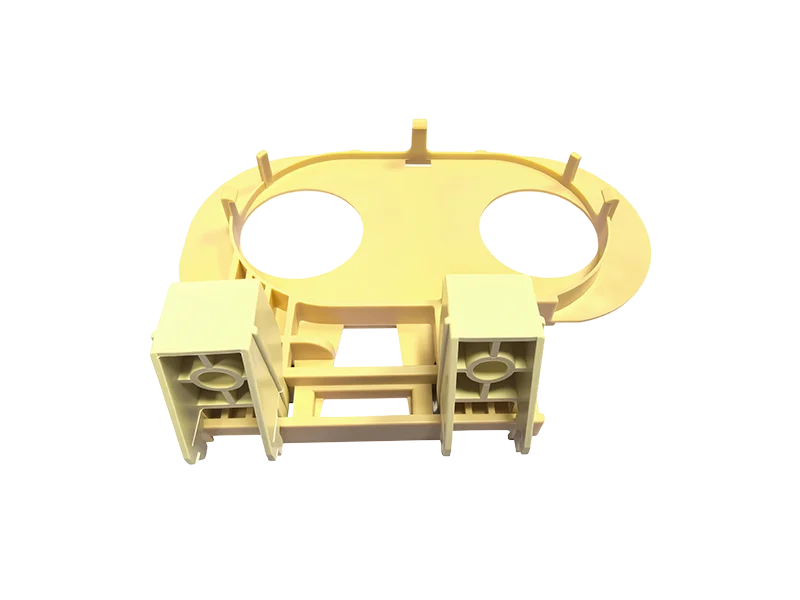
Bobbins serve as the core component in the transformers of photovoltaic inverters. They are typically made from insulating materials and are designed to hold the windings of wire that generate the magnetic field necessary for voltage transformation. **Efficient design** and **material selection** for bobbins directly impact the overall efficiency and reliability of photovoltaic inverters.
2.1 The Role of Bobbins in Power Conversion
Inverters are the backbone of solar energy systems, enabling the conversion of the energy generated by solar panels into a form that can be used by home appliances or fed back into the grid. Bobbins play a vital role in this process, ensuring that the flow of electricity is managed efficiently and safely.
2.2 Types of Bobbins Used in Inverters
There are various types of bobbins utilized in photovoltaic inverters, including:
- **Standard bobbins**, which are commonly used in general applications.
- **Custom-designed bobbins**, tailored to specific inverter models for enhanced performance.
Understanding these variations allows manufacturers to select the optimal design for their unique energy solutions.
3. Historical Development of Photovoltaic Inverter Bobbin Technology
The journey of bobbin technology in photovoltaic inverters began with simple designs that focused primarily on functionality. Over the decades, as the demand for solar energy increased, so did the complexity and capabilities of these components.
3.1 Early Innovations
In the early stages, bobbins were primarily made from basic insulating materials such as paper and plastic. While functional, these materials limited the efficiency and thermal management of inverters.
3.2 Advancements in Materials and Design
As technology advanced, manufacturers began exploring new materials such as **epoxy resins** and **thermoplastics**, which offered better thermal stability and insulation properties. These innovations enhanced the performance and longevity of photovoltaic inverters.
4. Current Innovations in Bobbin Technology
Today, innovations in photovoltaic inverter bobbin technology are focused on improving **efficiency**, **thermal management**, and **cost-effectiveness**. Several recent advancements are noteworthy.
4.1 Advanced Insulating Materials
The introduction of **nanocomposite materials** in bobbin production has significantly improved thermal conductivity and insulation properties. This development ensures better heat dissipation, leading to enhanced inverter performance.
4.2 Modular Bobbin Designs
The shift towards **modular designs** allows manufacturers to create customizable inverters that meet specific energy needs. These designs facilitate easier upgrades and repairs, leading to a more sustainable product lifecycle.
5. Performance Enhancements Through Advanced Materials
Utilizing advanced materials in bobbin technology has yielded remarkable performance enhancements in photovoltaic inverters.
5.1 Improved Thermal Management
Effective thermal management is crucial for the longevity and reliability of photovoltaic inverters. Innovations in materials have led to better heat dissipation, which reduces the risk of overheating and potential failure.
5.2 Increased Efficiency Ratings
With advanced bobbin designs and materials, photovoltaic inverters have achieved higher efficiency ratings, often exceeding 98%. This improvement translates directly into more energy harvested from solar panels.
6. Design Advancements in Bobbin Technology
The design of bobbins has also evolved to enhance performance, reliability, and ease of manufacturing.
6.1 3D Printing Technology
The adoption of **3D printing technology** in the production of bobbins allows for intricate designs that were previously unattainable. This level of precision results in reduced weight and improved performance.
6.2 Computational Fluid Dynamics (CFD) Analysis
Manufacturers are employing CFD analysis during the design phase to optimize airflow and thermal performance within inverters. This technique helps identify potential issues before production, leading to better-performing products.
7. Impact of Innovations on Energy Efficiency
The advancements in bobbin technology have had a profound impact on the overall energy efficiency of photovoltaic systems.
7.1 Reduced Power Losses
Innovative bobbin designs and materials have resulted in significantly reduced power losses during the conversion process. This means that more of the energy generated by solar panels is effectively utilized, enhancing the return on investment for solar energy systems.
7.2 Enhanced Grid Compatibility
With improved efficiency and performance, modern photovoltaic inverters equipped with advanced bobbin technology offer enhanced compatibility with the electrical grid, supporting better integration of renewable energy sources.
8. Future Trends in Photovoltaic Inverter Bobbin Technology
As we look to the future, several trends are expected to shape the landscape of photovoltaic inverter bobbin technology.
8.1 Integration of Smart Technology
The incorporation of **smart technology** into photovoltaic inverters will allow for real-time monitoring and optimization of energy production. This trend will lead to more responsive and adaptable energy solutions.
8.2 Sustainability Focus
Future innovations are likely to place an even greater emphasis on sustainability, utilizing eco-friendly materials and production methods to minimize environmental impact.
9. Conclusion
The innovations in photovoltaic inverter bobbin technology represent a crucial advancement in the solar energy sector. These developments not only enhance the performance and efficiency of photovoltaic systems but also contribute to a more sustainable energy future. As technology continues to evolve, we can expect even more groundbreaking advancements that will drive the widespread adoption of solar energy.
10. FAQs
What is the main function of a bobbin in photovoltaic inverters?
The main function of a bobbin in photovoltaic inverters is to hold the windings that create the magnetic field necessary for converting DC electricity from solar panels into AC electricity for use in homes and businesses.
How do advanced materials improve inverter performance?
Advanced materials enhance inverter performance by providing better thermal management, increasing insulation properties, and reducing power losses during energy conversion.
What are the benefits of modular bobbin designs?
Modular bobbin designs allow for customizable solutions, enabling manufacturers to tailor inverters to specific energy needs while facilitating easier upgrades and repairs.
Will smart technology impact photovoltaic inverters?
Yes, the integration of smart technology into photovoltaic inverters will greatly enhance their functionality, allowing for real-time monitoring and optimization of energy production.
What trends should we expect in the future of bobbin technology?
Future trends include a focus on sustainability, the use of eco-friendly materials, and the incorporation of smart technology for enhanced performance and adaptability.
In summary, the advancements in photovoltaic inverter bobbin technology are pivotal in enhancing the efficiency and sustainability of solar energy systems, paving the way for a greener future.
PREVIOUS:

NANJIDA
LEAVE US MESSAGES
We are here to assist you with your cooperation in the 24/7 day. are we ready to respond to you by following the information sent to you at the appropriate price. Thank you!
If you can not reply to a serious cause, please contact the E-mail below.
Contact Us
Address:Sijia Xihe Industrial Zone, Shijie Town, Dongguan City, Guangdong Province


Copyright © 2025 Dong Guan NanJiDa Industrial Co.,Ltd. Powered by www.300.cn | Tags | Urban substation